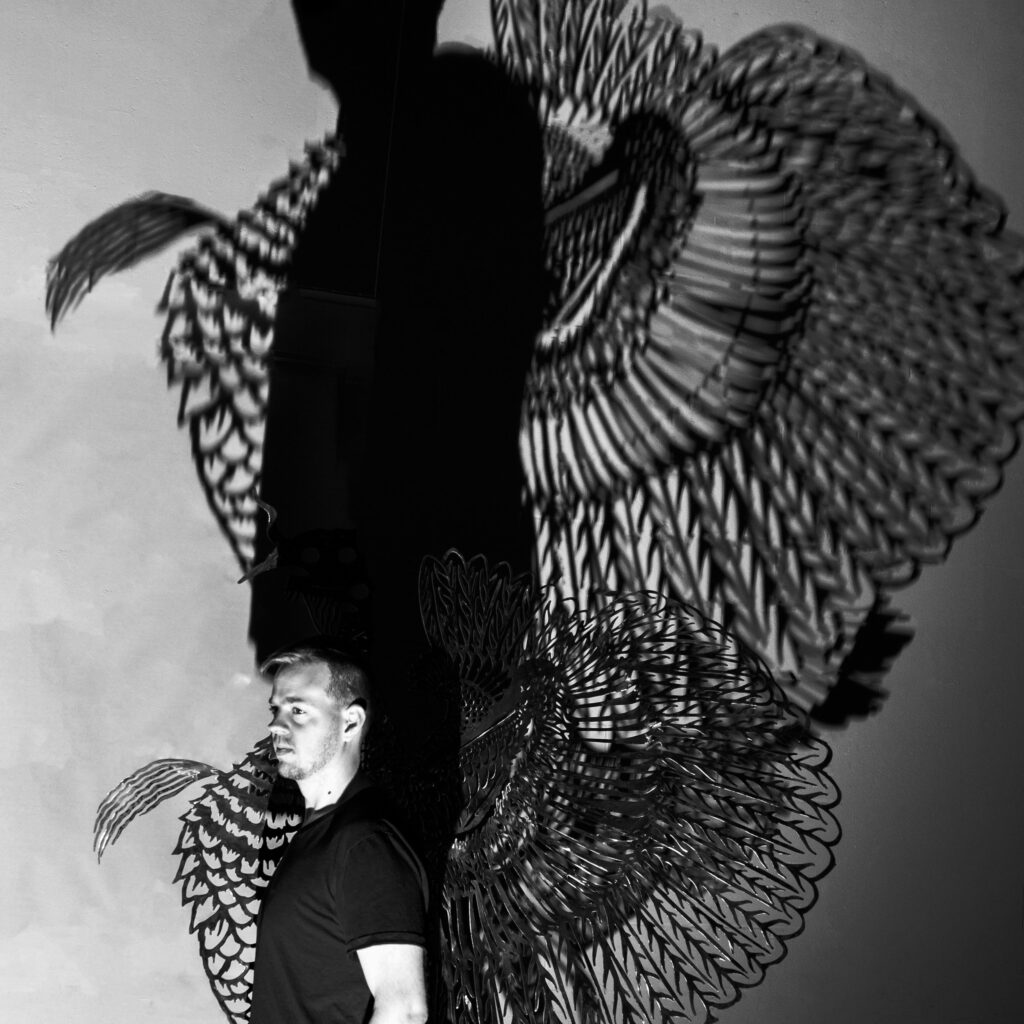
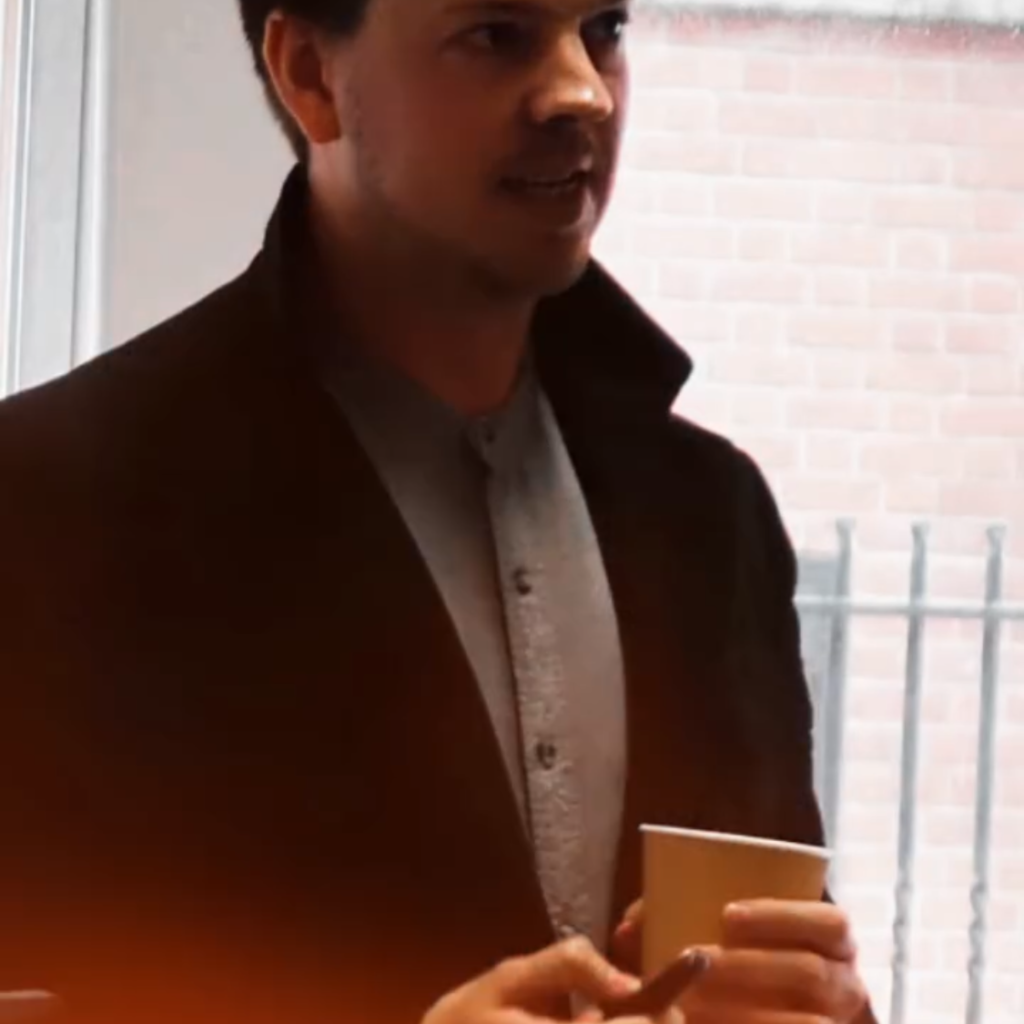
Lead Artist in Residence: Alexander Augustus
Alexander Augustus is the 2025 Artist in Residence for Cambridge Pride.
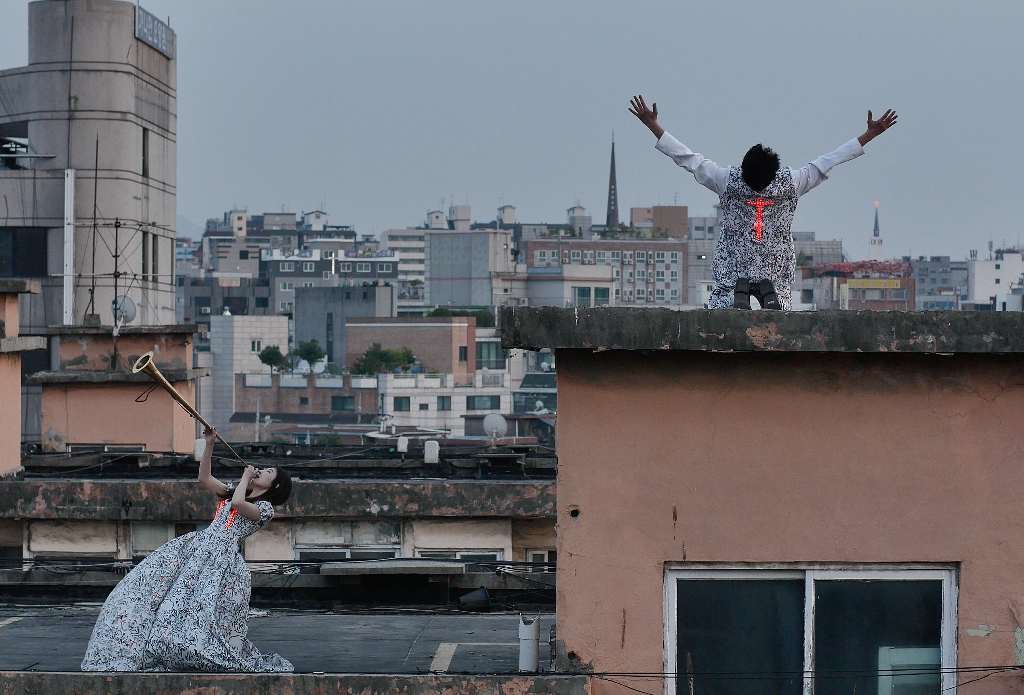
An internationally exhibiting artist, Augustus is known for large-scale, operatic installations that activate public space through movement, narrative, and collective making. His work has been presented across Europe, Asia, and North America, with solo exhibitions at Somerset House (UK), Seoul Museum of Art (South Korea), and Zentrum für Kunst und Urbanistik (Germany). He has also exhibited at Tate Modern (UK), the Asia Culture Centre (South Korea), and his work is archived in the National Portrait Gallery (UK).
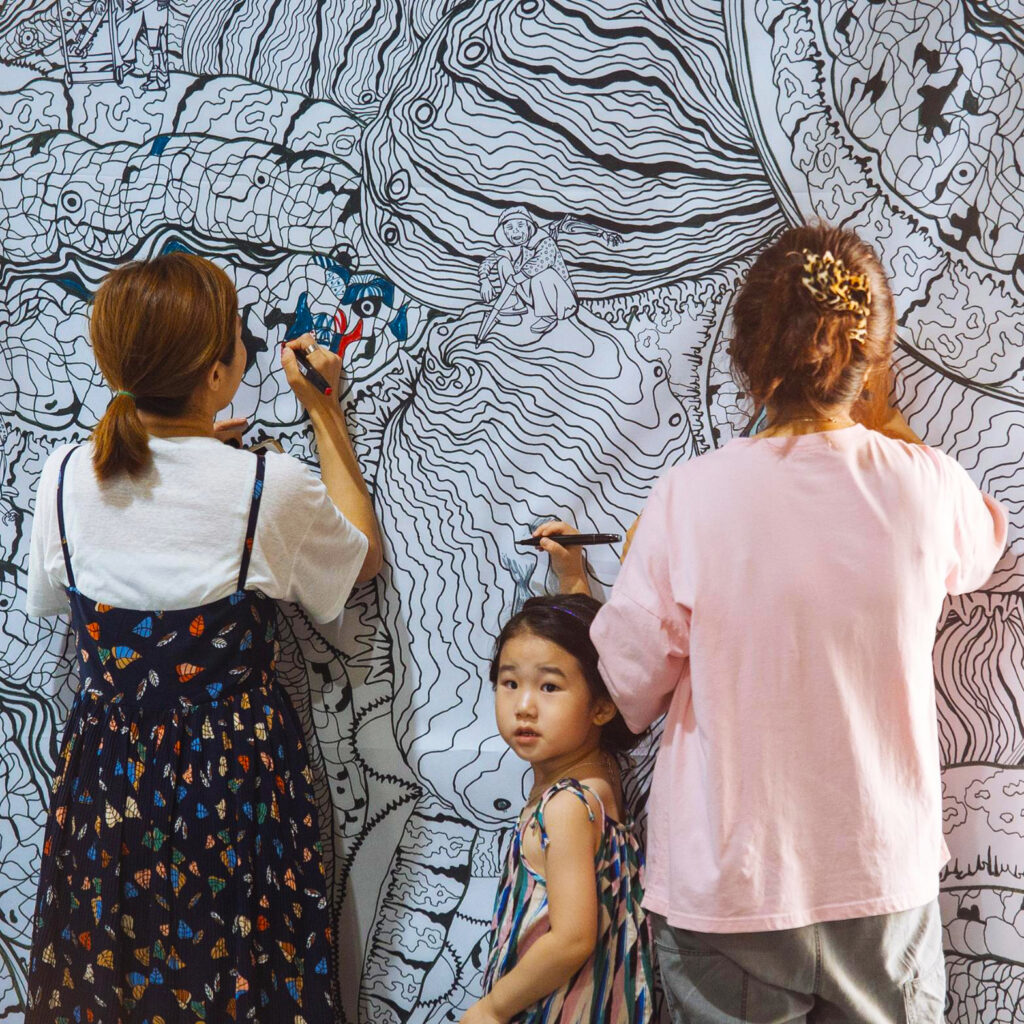
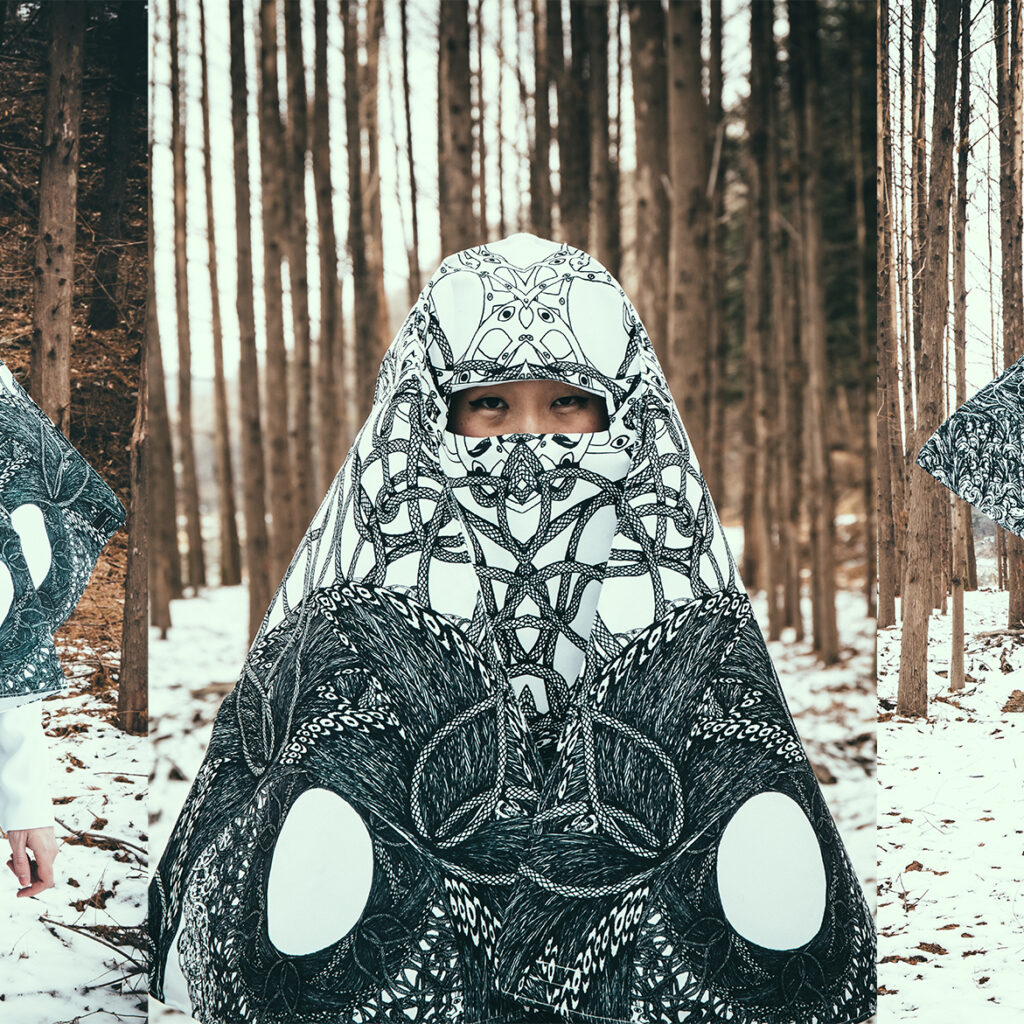
A writer, teaching fellow, and researcher at Harvard University, Augustus integrates academic rigor with artistic experimentation, creating politically charged, emotionally resonant environments that often invite public participation.For Cambridge Pride 2025, he created A Land Where Our Monuments Bloom – an ambitious participatory installation featuring sculptural interventions, community workshops, maypole dance classes, and art film.
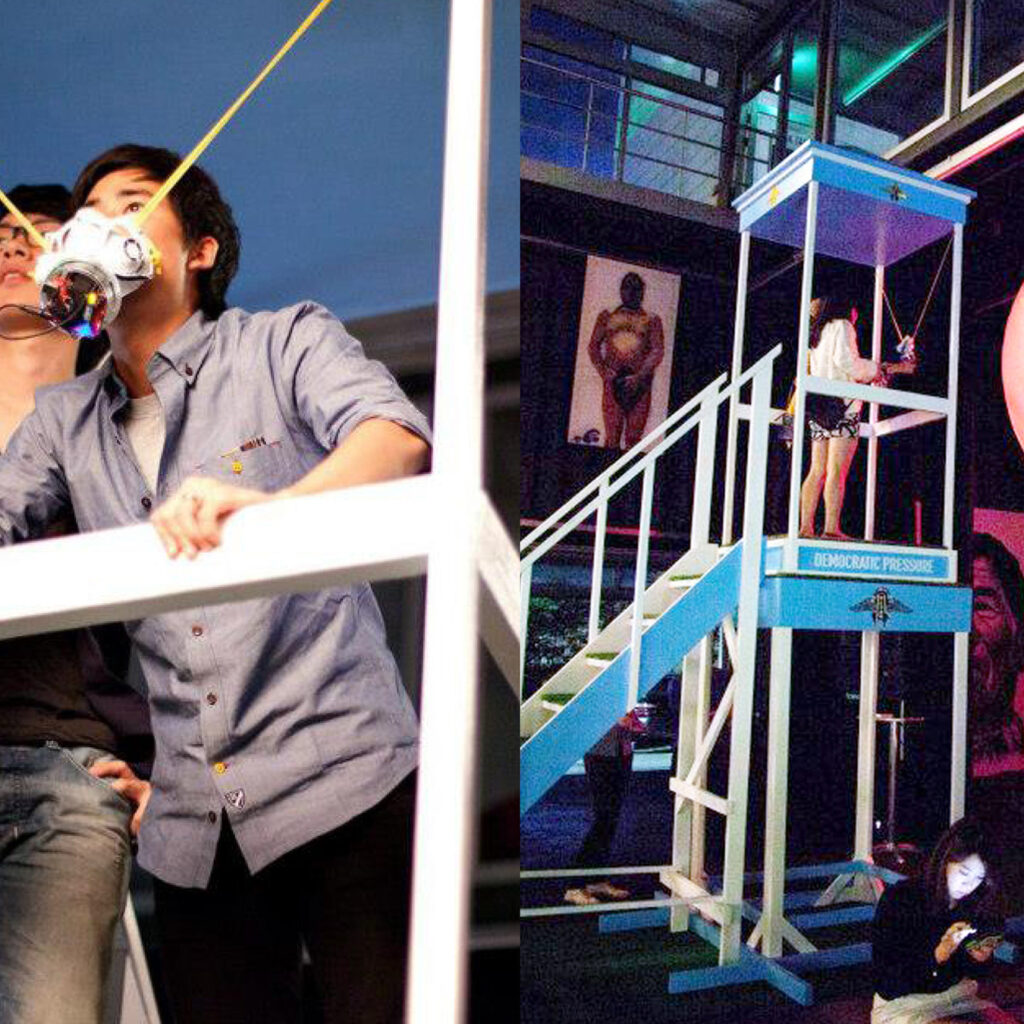
A Land Where Our Monuments Bloom
[Watch the film →]
Installation and workshops.
A Land Where Our Monuments Bloom transformed the Cambridge Pride festival grounds into a living, evolving artwork — with four glowing-white, sculptural maypoles as spatiotemporal devices at the heart of the event. Each of these, in turn, experienced a lifecycle: first being distributed through the parade, then planted at the arrival to the site, blooming with dancing and celebration, and finally plaited down for quiet display. The shifting states of these installations created ripples of activity across the festival site, at carefully selected locations and times, activated at key moments throughout the day:
- The Community Maypole (Community Hive Tent, 14:15)
- The Trade Maypole (Trade Area, 16:30)
- The Wellbeing Maypole (Wellbeing & Yoga Tent, 18:45)
- The Dance Maypole (Dance Tent, 20:00)
In the lead-up to the festival, these maypoles were distributed across Cambridge to various community centres and halls, hosting free community-building dance workshops administered by national experts. These workshops not only introduced participants to traditional maypole techniques, but also fostered connection, creativity, and shared anticipation ahead of the main event.
Then, during the festival itself, the central maypole was hoisted over the parading public, held aloft by volunteers and members of the public, becoming a centrepiece for the Pride parade. The maypole travelled through the crowd, passed from person to person like an Olympic torch, with its ribbons extending outward, weaving through hands and movement as a living symbol of unity and flow. Upon arrival at the festival site, the maypole was ceremonially planted in the ground and activated through guided maypole dances.
Leading up to the festival day, at various community centres, and surrounding the installation on the day, were open workshops, where visitors, families, and friends crafted handmade crowns, flowers, sceptres, and wands. These tactile, imaginative sessions became sites of joyful resistance – spaces for community, co-creation, and shared utopian dreaming.
Film.
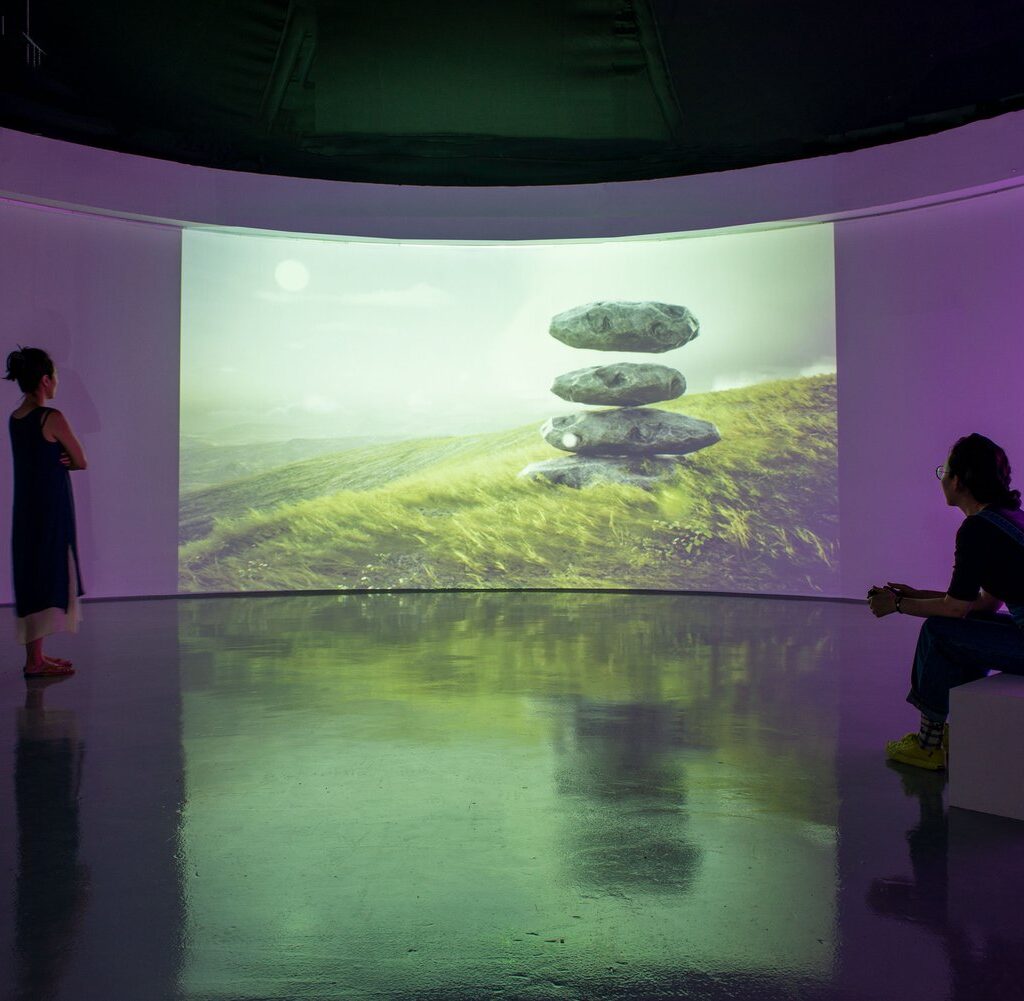
The A Land Where Our Monuments Bloom film documents the process, people, and hidden labour behind Cambridge Pride – a community-built festival that grows each year through sheer dedication.
This film captures a fleeting heterotopia, a space where utopia briefly touches the ground.
“Behind the celebration and music lie moments of exhaustion, conflict, and complexity – all part of the shared reality of creating something real. As with all utopias, the lived version is never clean or simple. But it is alive.”
Artist Statement.
Alexander’s 2025 art theme for Cambridge Pride is UTOPIA, a response to the political erasure of LGBTQ+ histories and a call to expand our temporal presence. He states:
“The present is not a simple time or place. It is layered with infinite pasts and threaded with infinite futures: the lived, curated, dreamt, and sculpted stories of billions.
Erase a group from those layers – as we have been – and steal their stories – as ours have been stolen – and you can convince the world we never existed.
Worse still, lock us in the hyper-present – persuade us we are an anomaly in time and space – and you can convince us that we have no future at all.
In this regard, the fight for LGBTQ+ existence is a spatiotemporal one.
This is how social control often works: by shaping the tales we tell about time itself. Generations orbit around imaginaries, cyclically, weaving. Civilisations are built on those vibrating threads. Events and characters seed utopias and dystopias into our minds, setting the boundaries of what can be imagined – of what has been real, and what is permitted to become real.
I believe the systematic erasure of LGBTQ+ people from our histories – from ancient and classical pasts – demands broader, deeper, time-honouring stories. Many laugh at the idea of bringing maypoles to Pride, but our community wasn’t born in the 1980s with New Wave and pop icons. We were also WWII soldiers, Tudor courtiers, Neolithic queens and kings, cave-dwellers — and yes, ancient maypole dancers.
In the battleground of collective imagination, now is the time to expand our imaginaries – past and future – with great urgency. This installation dares to be one such act.”
A Monument to Labour – Project Team & Acknowledgements.
Utopia must be organised. It emerges through the love and labour of those who seek it. Most importantly, it can only take shape through the shared imaginaries of a public. This project was always about collaboration, care, and the labour of building something hopeful together, and in this regard, enormous thanks go to:
- Polly Maunder, who led this residency with grace, patience, and unwavering support. Your leadership is the essence of Pride.
- Alistair Wilson, whose humour, ingenuity and logistical skill quite literally held the entire site together.
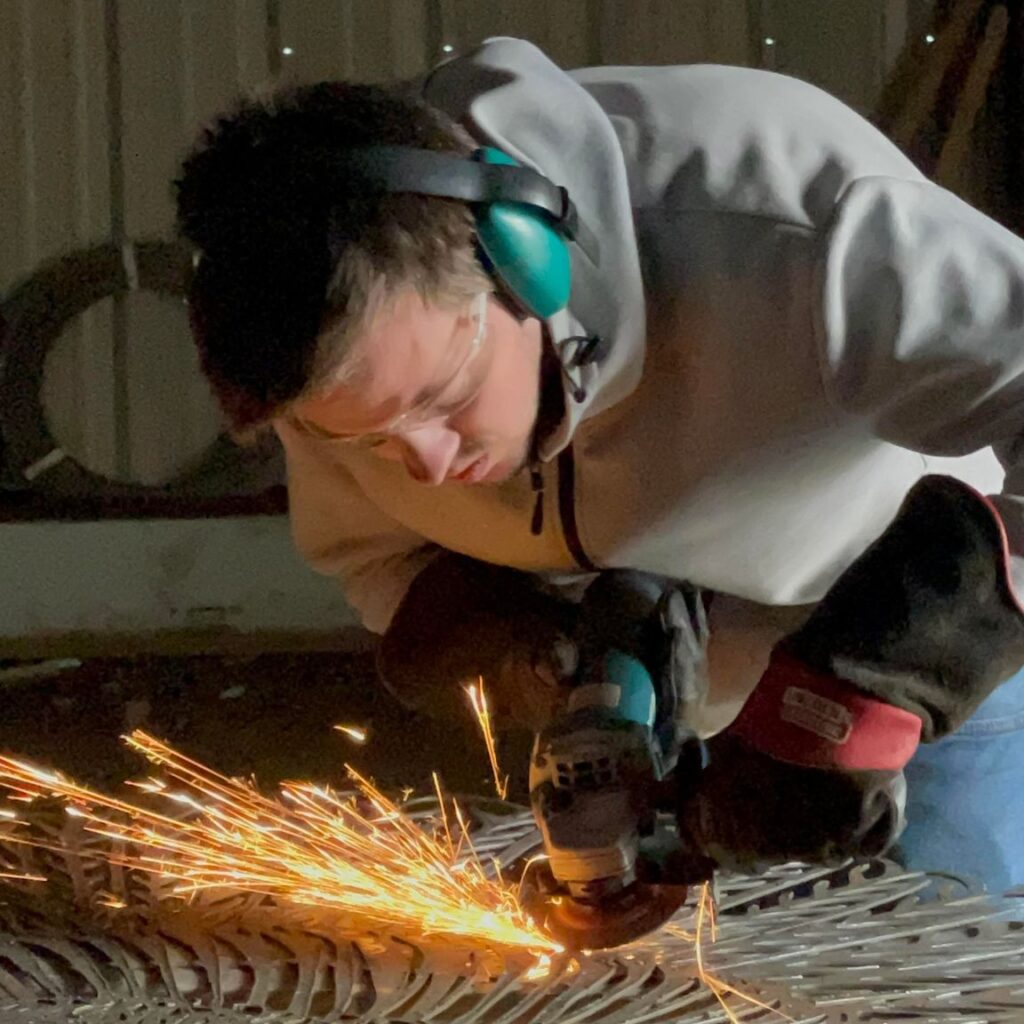
- Ian, Odin, Ben, and the full site crew, who worked tirelessly to install the maypoles, manage sound, and restore the site post-festival.
- The Pride Trustees, security teams, volunteers, vendors, and performers — and the 10,000+ festival-goers who made this utopian space real.
Special thanks to our phenomenal dance artists, who facilitated the pre-festival workshops, and activated the installation throughout the day:
- Mike Ruff
- Clare Galwey
- Nandita Shankardass, Tulani Kayani-Skeef and Karishma Young from the Welcome Movement dance company